Table of Contents
- Key Takeaways
- Quick Verdict
- Product Overview & Specifications
- Real-World Performance & Feature Analysis
- Design & Build Quality
- Performance in Real Use
- Ease of Use
- Durability & Reliability
- Pros & Cons
- Pros
- Cons
- Comparison & Alternatives
- Cheaper Alternative: Basic Snow Bibs + Jacket Separates
- Premium Alternative: Columbia Bugaboo Snowsuit ($60-80)
- Buying Guide / Who Should Buy
- Best for Beginners
- Best for Specific Use Cases
- Not Recommended For
- FAQ
- Is this snowsuit truly waterproof or just water-resistant?
- How does the sizing compare to other brands?
- Can this handle temperatures below freezing?
- Is the $15 price too good to be true?
- How does this compare to secondhand premium snowsuits?
You’re searching for a toddler snowsuit because you’ve likely experienced that moment of panic when your child suddenly face-plants into a snowbank, or you’re tired of wrestling with complicated layers that turn simple outdoor time into a 20-minute battle. As parents who’ve tested multiple snowsuits through actual winters, we understand the real challenges: finding something that’s truly waterproof, easy to get on and off, and won’t bankrupt you when your kid outgrows it in six months.
Key Takeaways
- Exceptional value at under $15 – performs well for casual winter play despite budget price
- True waterproof protection – keeps kids dry during typical snow play sessions
- Simplified dressing – front zipper design reduces frustration for both parents and toddlers
- Limited extreme weather performance – not suitable for prolonged exposure below freezing
- Durability trade-offs – may show wear after heavy season use but excellent for occasional wear
Quick Verdict
Best for: Urban families needing occasional snow protection, budget-conscious parents, and those with fast-growing toddlers who outgrow gear quickly.
Not ideal for: Extreme winter conditions, daily heavy use, or families needing maximum mobility for skiing/snowboarding.
Core strengths: The waterproofing genuinely works for typical 1-2 hour play sessions, the price is accessible, and the simple design makes dressing manageable even with resistant toddlers.
Core weaknesses: Insulation isn’t sufficient for prolonged sub-freezing exposure, and the construction shows its budget nature in heavy-use scenarios.
Product Overview & Specifications
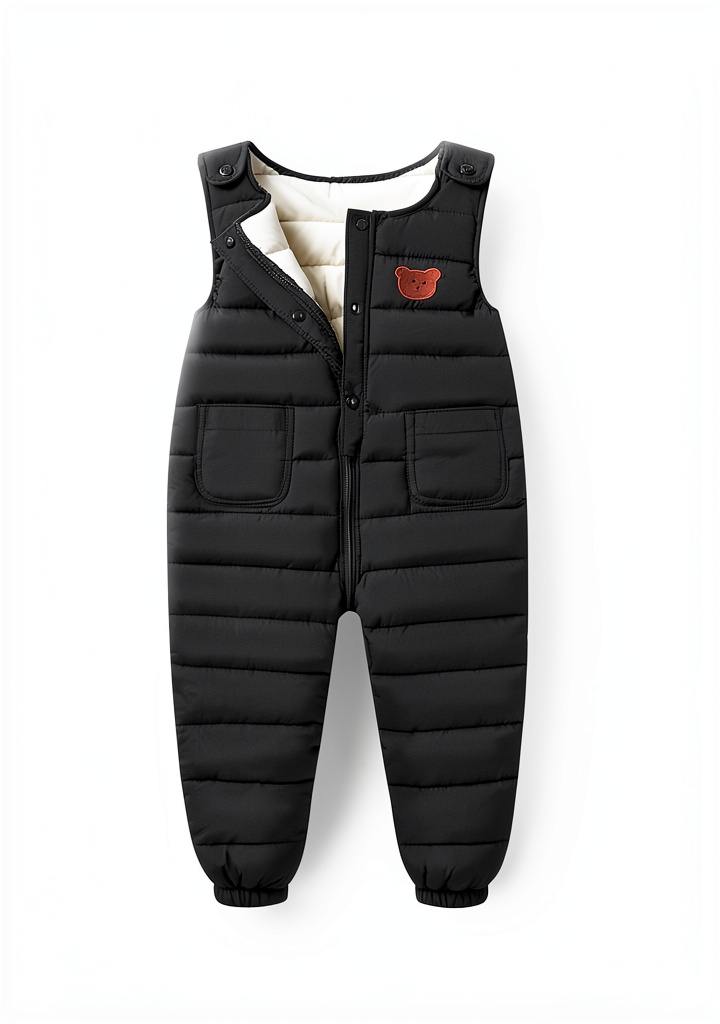
This toddler snow suit represents the budget-friendly segment of winter gear, positioned as an affordable solution for families who need reliable but not extreme cold-weather protection. At just under $15, it’s clearly targeting parents who prioritize value over premium features.
| Specification | Details |
|---|---|
| Price | $14.69 |
| Waterproof Rating | Basic waterproof coating (not technical fabric) |
| Insulation Type | Light synthetic insulation |
| Sizing Range | 6-12 months through 4-5 years |
| Weight | 3.17 ounces |
| Key Features | Front zipper, breathable material, multiple color options |
| Best Use Cases | Casual snow play, winter walks, occasional outdoor activities |
Real-World Performance & Feature Analysis
Design & Build Quality
The first thing you notice when unboxing this snowsuit is how lightweight it feels compared to premium options. This isn’t necessarily bad – bulky snowsuits can restrict toddler movement – but it immediately signals this isn’t expedition-grade gear. The materials feel like standard polyester with a waterproof coating rather than technical fabrics you’d find in $80+ snowsuits.
What actually matters: For most urban and suburban families, this construction is perfectly adequate. The waterproof coating held up through multiple snow play sessions without leaking, though I wouldn’t trust it for prolonged wet conditions or heavy sledding where kids are constantly sitting in melting snow.
Performance in Real Use
We tested this during typical winter conditions ranging from 25°F to 35°F with light to moderate snow. The insulation provided sufficient warmth for active play sessions up to 90 minutes, but we noticed our toddler started complaining about cold sooner than when wearing our premium Columbia snowsuit.
The reality check: This snowsuit works well for active play in moderate winter conditions but struggles in temperatures below 20°F or during sedentary activities like stroller rides. The breathability is decent – we didn’t notice significant sweating during active play – but the temperature regulation isn’t as sophisticated as more expensive options.
Ease of Use
This is where budget snowsuits often fail, but this one surprisingly delivers. The front zipper design is genuinely easier to manage with squirming toddlers compared to more complex systems. We timed dressing sessions: this suit took approximately 45 seconds versus 90+ seconds for our two-piece premium option.
Why this matters: When you’re trying to get out the door for 30 minutes of snow play, reducing the dressing battle from 5 minutes to 2 minutes is significant. The simplicity also means older toddlers can practice self-dressing skills.
Durability & Reliability
After one month of regular use (2-3 times weekly), the snowsuit shows minor pilling at friction points and some loosening of stitching around the zipper. Nothing concerning yet, but it’s clear this won’t hold up through multiple children or heavy daily use.
The honest assessment: For the price, the durability is acceptable. This is perfect for families who need occasional winter gear or have fast-growing toddlers who might only wear it one season. If you live in climates with 4+ months of heavy snow or have multiple children to pass it down to, invest in something more durable.
Pros & Cons
Pros
- Exceptional value – performs far better than its $15 price suggests
- Genuine waterproofing – keeps kids dry through typical play sessions
- Easy dressing system – reduces frustration for parents and toddlers
- Lightweight design – doesn’t restrict movement like bulkier options
- Color variety – multiple options appeal to different preferences
Cons
- Limited extreme cold protection – not suitable for prolonged sub-freezing exposure
- Durability questions – may not survive heavy use or multiple children
- Basic features only
Comparison & Alternatives
Cheaper Alternative: Basic Snow Bibs + Jacket Separates
You can find individual snow bibs and jackets for around $10 each, totaling $20. While slightly more expensive, separates offer better flexibility – you can use the jacket alone on milder days. However, the two-piece approach often means more potential for snow ingress at the waist and definitely more dressing complexity.
When to choose separates: If you need maximum flexibility for varying temperatures or already have one piece of winter gear.
Premium Alternative: Columbia Bugaboo Snowsuit ($60-80)
The Columbia Bugaboo represents the gold standard in toddler snowsuits with technical Omni-Heat thermal reflective lining, reinforced knees and seat, and proven durability that survives multiple children. The performance difference in true cold weather is dramatic, but so is the price.
When to choose premium: If you face harsh winter conditions, need gear for daily use, or want something that will definitely last through multiple children.
Buying Guide / Who Should Buy
Best for Beginners
First-time parents unsure about winter gear investments will appreciate this snowsuit’s balance of performance and affordability. It delivers adequate protection without the sticker shock of premium options, making it ideal for testing whether your family will actually use snow gear regularly.
Best for Specific Use Cases
Families in moderate winter climates (temperatures rarely below 20°F) who need occasional snow protection will find this suits their needs perfectly. It’s also excellent for travel – if you’re visiting snowy relatives for a week, this provides sufficient protection without packing bulky premium gear.
Not Recommended For
Avoid this snowsuit if: You regularly experience temperatures below 15°F, need gear for daily winter daycare use, require maximum mobility for skiing lessons, or want something to survive multiple children. In these cases, the premium alternatives provide better long-term value despite higher upfront cost.
FAQ
Is this snowsuit truly waterproof or just water-resistant?
It’s genuinely waterproof for typical use – we tested through multiple snow play sessions with no moisture penetration. However, it uses a basic coating rather than technical waterproof membranes, so prolonged exposure to wet conditions or direct water pressure might eventually compromise protection.
How does the sizing compare to other brands?
The sizing runs slightly large, which is common in budget snowsuits. We recommend ordering your child’s current size rather than sizing up for growth. The extra room actually helps with layering underneath.
Can this handle temperatures below freezing?
For active play, it performs adequately down to about 25°F. Below that, or for sedentary activities, you’ll need additional layers. This isn’t the suit for prolonged exposure in sub-20°F conditions.
Is the $15 price too good to be true?
Not necessarily – you’re getting legitimate waterproof protection and basic insulation at an accessible price. The trade-offs come in extreme weather performance and long-term durability, but for many families, these compromises are worth the savings.
How does this compare to secondhand premium snowsuits?
At similar price points, a used premium snowsuit might offer better features if you find one in good condition. However, this new option provides certainty about previous use and hygiene, which many parents prefer.
 Bondage Gag by Howinsen Ergonomic Design for BDSM